
How Rheumatoid Arthritis Affects the Knees
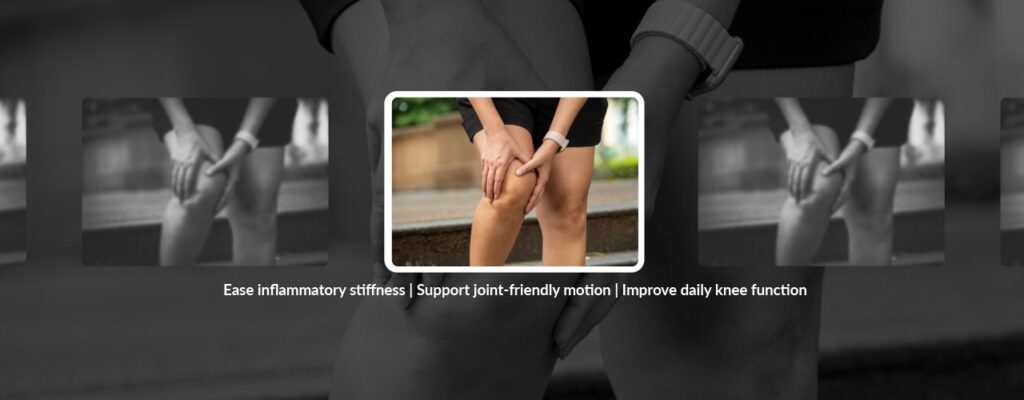
Rheumatoid arthritis knee pain is pain and stiffness caused by an immune system disease that creates swelling inside the knee joint. It can make walking, standing, using stairs, and other daily activities harder.
If rheumatoid arthritis has been limiting what you can do, Basecamp Physical Therapy & Performance can help you understand your options. Schedule your evaluation today.
Understanding Rheumatoid Arthritis
Rheumatoid arthritis, or RA, is a long-term disease that affects the immune system. The immune system normally protects the body from illness. With RA, it mistakenly attacks healthy tissue that lines certain joints.
When RA affects the knee, the joint lining can become swollen and painful. Over time, ongoing swelling may damage the joint and affect how well it moves.
RA is different from osteoarthritis. Osteoarthritis involves changes to joint tissues that often develop with age, injury, or repeated stress. RA is an immune system disease that can affect several joints and other parts of the body.
Why It Happens
The exact reason someone develops RA is not fully understood. Genes, immune system changes, and certain outside factors may all play a role.
Once RA develops, the immune system can cause ongoing swelling within the knee. This may lead to rheumatoid arthritis knee pain, stiffness, warmth, and difficulty moving comfortably.
Symptoms may change over time. Some people have periods when symptoms become more active. Other times, symptoms may be easier to manage.
Medical care is important because RA affects more than movement. Physical therapy can work alongside care from a physician or rheumatology provider to address its impact on physical function.
What It Feels Like
Knee symptoms can make everyday movement less comfortable. Stiffness may be especially noticeable after rest. The knee may also feel swollen, tender, warm, or harder to bend and straighten.
Rheumatoid arthritis knee pain can affect walking, standing from a chair, using stairs, and completing household tasks. Some people begin avoiding activities because they are unsure how their knees will respond.
Reduced activity can then affect muscle strength and confidence. Finding a safe level of movement is an important part of maintaining function.
Managing Rheumatoid Arthritis Knee Pain at Home
Learning how to respond to changing symptoms can make daily life easier. The goal is to stay active without ignoring signs that your body needs a change.
Helpful strategies may include:
- Keep moving within your comfort. Gentle activity can support joint motion and help maintain muscle function.
- Change demanding tasks when needed. Breaking up activities or choosing easier options can reduce stress on irritated knees.
- Balance activity with recovery. Your needs may change when symptoms become more active.
- Choose joint-friendly activities. Lower-impact options may help you stay active with less stress on the knees.
- Follow your medical treatment plan. RA requires medical management because it is an immune system condition.
A physical therapist can help you decide which movement choices fit your current symptoms and abilities.
Treating Rheumatoid Arthritis With Physical Therapy
Your first visit starts with a conversation about your symptoms and daily challenges. Your physical therapist will also ask what activities you want to perform more comfortably.
The physical assessment may look at:
- Joint mobility to see how comfortably your knee moves.
- Muscle function, since the muscles around your knee and hip help support everyday movement.
- Movement patterns to evaluate how you perform tasks such as walking or rising from a chair.
- Balance and control, as these skills can affect confidence during daily activities.
Your therapist can use these findings to create a plan that reflects how RA is affecting you.
How Tailored Care Restores Function
Physical therapy cannot cure RA or stop the immune system changes that cause it. It can help address the movement problems that may develop because of the condition.
Therapeutic exercise may help maintain strength needed for walking and other daily tasks. Mobility activities can support comfortable joint movement. Balance and movement training may help you feel steadier during everyday activities.
Education is also an important part of care. Your therapist can help you understand how to adjust activity when symptoms change.
For people with rheumatoid arthritis knee pain, treatment should remain flexible. Your physical therapist can adjust your plan based on your symptoms, abilities, medical care, and personal goals.
Ready to Take Your First Step?
Your first visit at Basecamp Physical Therapy & Performance is a chance to talk openly about what has become difficult. Your physical therapist will listen to your concerns, assess your movement, and explain appropriate options for supporting your function.
Living with rheumatoid arthritis does not mean giving up on the activities you love. Reach out to Basecamp Physical Therapy & Performance to schedule your evaluation and find out how physical therapy can support your knees and your daily life.